




Oriental Carpet Guide: What It Is, How It’s Made, and How to Choose One in Australia
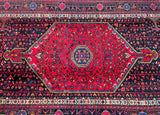
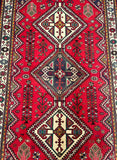
An oriental carpet is a handmade rug traditionally produced across parts of Asia using time-tested weaving methods. Unlike machine-made rugs, an oriental carpet is built slowly on a loom—knot by knot or weave by weave—so each piece has its own character, subtle variations, and a level of detail that mass production simply can’t replicate. In Australia, more homeowners are choosing oriental carpets because they want something that looks better over time, feels richer underfoot, and holds up to everyday living.
What makes an oriental carpet “oriental”?
“Oriental” is a broad category based on origin and tradition. It commonly includes handmade carpets from regions such as Persia (Iran), Afghanistan, Turkey, the Caucasus, India, Pakistan, and parts of China. The name doesn’t point to one single pattern—oriental carpets can be floral and elegant, bold and tribal, or geometric and minimal. What connects them is the heritage of craftsmanship, natural fibres, and construction methods developed over centuries.
If you’ve heard the term “Persian rug,” think of it as a subgroup: Persian carpets are oriental carpets made in Iran. Not every oriental carpet is Persian—but every Persian carpet is part of the wider oriental carpet tradition.
How an oriental carpet is made (in plain English)
Most high-quality oriental carpets fall into two main construction types:
- Hand-knotted (pile rugs): individual knots are tied around warp threads, then trimmed to create the “pile” (the soft surface you walk on). This is the classic construction associated with long-lasting, heirloom rugs.
- Flat-woven (kilims and similar): woven without a pile, usually lighter and often reversible—great for casual spaces, layering, and modern interiors.
For a deeper look at the history and artistry behind classic carpets, reputable museum resources are a gold standard. The V&A’s article on the Ardabil Carpet is a fascinating example of the cultural importance of historic weaving: The Ardabil Carpet (V&A). The Metropolitan Museum of Art also provides excellent context on how carpet weaving evolved across major empires: Carpets from the Islamic World, 1600–1800 (The Met).
Materials to look for (and why they matter)
A genuine oriental carpet is typically made from wool, silk, and/or cotton:
- Wool: resilient, naturally insulating, and ideal for busy households. Great for living rooms and high-traffic areas.
- Silk: finer detail and sheen, often best in lower-traffic spaces or as highlight work within a wool rug.
- Cotton: commonly used in the foundation (warp/weft) to provide structure and stability.
Choosing the right oriental carpet for your home
The best oriental carpet is the one that suits your room size, your lifestyle, and the feeling you want the space to have. Here are practical decision points:
- Size first: In living rooms, aim for a rug that anchors the seating—either front legs on the rug or fully under key pieces. For dining rooms, ensure chairs stay on the rug when pulled out.
- Pattern & mood: Floral and medallion styles tend to feel classic and formal. Tribal and geometric designs lean bold, modern, and relaxed.
- Colour & maintenance: Mid-tone, patterned rugs are often the most forgiving for everyday life. Lighter rugs can be stunning but may need more care.
- Traffic level: For family zones, wool is usually the safest bet. For feature rooms, you can choose finer, more delicate pieces.
Popular oriental carpet styles in Australia
Shoppers often start by region because it’s an easy way to narrow the look and feel. If you’re exploring, these collections are a good starting point:
- Persian Rugs – refined patterns, classic medallions, and timeless craftsmanship.
- Afghan Rugs – earthy palettes, strong geometry, and excellent durability.
- Kilim Rugs – flat-woven, lightweight, and great for layering or modern interiors.
Care tips that protect your oriental carpet
A quality oriental carpet is built to last, but simple habits make a big difference:
- Rotate the rug periodically to even out wear and light exposure.
- Vacuum gently (avoid aggressive rotating brushes if possible).
- Blot spills immediately—don’t rub.
- Use a quality underlay to reduce movement and friction.
- Consider professional cleaning every few years, depending on use.
How to buy with confidence (especially online)
When purchasing an oriental carpet, clarity matters. A trusted seller should explain origin, materials, and construction—and help you choose the right size. If you’re learning the basics of authenticity, this guide is a helpful companion: How to Identify an Authentic Handmade Persian Rug.
And if you’re interested in long-term value (beyond style), you may also like: The Investment Value of Handmade Oriental Rugs.
Explore oriental carpets at Shoparug (Australia-wide)
At Shoparug (Persian Rug Warehouse WA), we specialise in authentic handmade rugs and ship Australia-wide. You can browse online or visit our Booragoon showroom to see rugs in person and compare textures, colours, and craftsmanship. Start here: Shoparug Handmade Rug Collection.
Tip: If you tell me your room size (e.g., 3.5x4m living room) and whether it’s a busy household, I can recommend the best oriental carpet size, material, and style—plus which collection links to feature inside this blog for stronger internal SEO.