
Learn About Persian Rugs




Persian Rugs: History, Art, Craftsmanship And Value
Persian Rugs: More Than Just Floor Coverings — Woven Art Pieces
Persian rugs are more than decorative floor coverings. They are handmade works of art, woven with history, craftsmanship, symbolism and cultural meaning. For centuries, authentic Persian rugs have been admired for their intricate designs, natural materials, rich colours and ability to bring warmth and character into a home.
Unlike mass-produced rugs, a handmade Persian rug is individually woven by skilled artisans. Every knot, motif and colour choice contributes to a unique piece that can be used, collected and passed down through generations.

What Makes Persian Rugs Special?
Persian rugs are traditionally made in Iran, formerly known as Persia. They are known for fine hand-knotting, detailed patterns, high-quality wool or silk, and designs that often reflect the region where they were woven.
Many Persian rugs come from famous weaving centres such as Tabriz, Kashan, Isfahan, Nain, Qum, Kerman, Mashad and Heriz. Each region has its own style, colour palette and design tradition, which is why Persian rugs are so diverse and collectible.
Because they are handmade, no two Persian rugs are exactly the same. Small variations in the weave are not faults — they are signs of authentic hand craftsmanship.
The History of Persian Rugs
The history of Persian rugs dates back thousands of years. In ancient Persia, rugs were first used for comfort, warmth and practical living. Over time, they became symbols of beauty, wealth, status and artistic achievement.
During the Safavid period, Persian art and textile production reached a high level of refinement. The Metropolitan Museum of Art notes that carpets and textiles were important luxury objects during this era, especially under royal patronage.
One of the most famous examples of Persian carpet artistry is the Ardabil Carpet, held by the Victoria and Albert Museum in London. The V&A describes it as the world’s oldest dated carpet and one of the largest, most beautiful and historically important carpets ever made.
For further reading, see the Victoria and Albert Museum article on the Ardabil Carpet and the Metropolitan Museum of Art article on Safavid art.

Why Persian Rugs Are Considered Works of Art
A Persian rug is not simply designed to cover a floor. It is carefully composed like a painting, with balance, symmetry, colour harmony and symbolic detail.
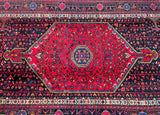
Common Persian rug designs include central medallions, floral patterns, garden layouts, vase motifs, arabesques, geometric borders and animal or nature-inspired elements. Fine city rugs often feature delicate curving designs, while tribal and village rugs may use stronger geometric patterns.
This combination of design, skill and cultural meaning is why Persian rugs are often described as woven art pieces.
The Meaning Behind Persian Rug Patterns
Many Persian rug motifs carry symbolic meaning. Floral designs often represent beauty, growth and abundance. Tree of life motifs can symbolise connection, eternity and renewal. Medallion designs create balance and often form the visual centre of the rug.
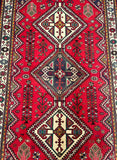
Village and tribal Persian rugs may include geometric motifs connected to family tradition, protection, nature and local identity. These details give each rug a deeper story beyond its decorative appearance.
Materials Used in Persian Rugs
High-quality Persian rugs are usually made from natural fibres such as wool, silk and cotton. Wool is valued for durability, comfort and warmth. Silk is often used in finer rugs because it allows for very detailed designs and a luxurious sheen. Cotton is commonly used in the foundation because it provides strength and stability.
Traditional Persian rugs may also use natural dyes made from plants, roots, minerals and other natural sources. These dyes create rich colours that can soften beautifully with age.

How Handmade Persian Rugs Are Made
The making of a Persian rug is a slow and highly skilled process. It usually begins with preparing the wool or silk, dyeing the fibres, setting up the loom and then hand-knotting the rug row by row.
Depending on the size, knot density and complexity of the design, a single handmade Persian rug can take months or even years to complete.
After weaving, the rug is trimmed, washed, stretched and finished. This careful process is one of the reasons authentic Persian rugs are so highly valued around the world.
Why Authentic Persian Rugs Hold Their Value
A well-made Persian rug can last for generations when properly cared for. Unlike machine-made rugs, authentic handmade Persian rugs are valued for their craftsmanship, natural materials, rarity, age, condition and cultural importance.
Some antique and fine Persian rugs are also collected as investment pieces. While not every Persian rug will increase in value, quality handmade rugs generally hold their appeal because they are unique, durable and difficult to reproduce in the same way.
Persian Rugs in Modern Australian Homes
Persian rugs work beautifully in Australian homes, whether the interior style is traditional, contemporary, coastal, rustic or minimalist. A Persian rug can add warmth to timber floors, soften modern furniture, introduce colour and create a strong focal point in a room.
They are commonly used in living rooms, dining rooms, bedrooms, entries, offices and hallways. A richly patterned Persian rug can make a simple room feel more layered, personal and complete.
If you are looking for genuine handmade pieces, explore our Persian Rugs collection. For softer earthy tones and decorative handmade designs, you may also like our Afghan Chobi Rugs. For narrow spaces, read our guide to Hallway Runners Australia.

How to Choose the Right Persian Rug
When choosing a Persian rug, consider the size of your room, the colours already in your space, the amount of foot traffic and the overall feeling you want to create.
For a living room, a larger Persian rug can help anchor the furniture and make the room feel complete. For a bedroom, softer colours can create warmth and comfort. For a hallway or entry, a durable Persian runner can add character while protecting the floor.
If you want a formal look, consider finely woven city rugs such as Nain, Isfahan, Kashan or Qum. If you prefer a more relaxed or rustic style, tribal Persian rugs such as Heriz, Nahavand, Tuserkan, Shiraz or Quchan may be a better fit.
Frequently Asked Questions About Persian Rugs
Are Persian rugs valuable?
Authentic handmade Persian rugs can be valuable because of their craftsmanship, materials, age, rarity, condition and cultural significance.
How can you tell if a Persian rug is handmade?
Look at the back of the rug. A handmade Persian rug usually shows individual knots and slight variations in the weave. Machine-made rugs tend to look more uniform and mechanical.
Why are Persian rugs expensive?
Persian rugs can be expensive because they require skilled hand-knotting, quality wool or silk, detailed designs and many months or years of labour.
Do Persian rugs suit modern homes?
Yes. Persian rugs suit both traditional and modern interiors. They add warmth, texture, colour and timeless character to contemporary Australian homes.
What is the difference between Persian rugs and Oriental rugs?
Persian rugs are handmade rugs from Iran. Oriental rugs is a broader term that can include handmade rugs from Iran, Afghanistan, Turkey, India, Pakistan and other traditional weaving regions.
Are Persian rugs good for everyday use?
Yes. Many Persian rugs are very durable and suitable for everyday use, especially wool rugs. For high-traffic areas, choose a strong weave and rotate the rug occasionally to even out wear.

Discover Authentic Persian Rugs at shoparug
At shoparug, we specialise in authentic handmade Persian and Oriental rugs, including Tabriz, Kashan, Nain, Isfahan, Qum, Kerman, Heriz, Mashad and tribal Persian rugs.
Our collection includes one-of-a-kind handmade rugs suitable for living rooms, bedrooms, dining rooms, hallways and collector spaces. You can shop online with free shipping Australia-wide or visit Persian Rug Warehouse WA at 1/7 Pitt Way, Booragoon, Perth.
Browse our Persian Rugs collection to find a genuine handmade piece with history, craftsmanship and lasting value.