
Learn About Persian Rugs
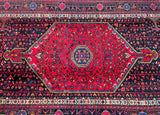


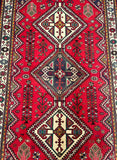


What are top 10 famous tribal rugs
10 Famous Tribal Rugs Explained — Origins, Symbolism, and Why Collectors Love Them
Tribal rugs are among the most fascinating and collectible handmade rugs in the world. Woven by nomadic and village tribes across Persia, Afghanistan, the Caucasus, and Central Asia, these rugs carry centuries of tradition, symbolism, and craftsmanship within every knot.
Unlike formal city rugs, tribal rugs are known for their artistic freedom, geometric motifs, rich natural colours, and deeply personal designs passed down through generations.
Today, authentic tribal rugs remain highly sought after by collectors, interior designers, and homeowners looking for rugs with character, warmth, and cultural authenticity.
At shoarug, many of our handmade tribal rugs are personally selected through long-standing relationships with overseas merchants and weaving communities. Explore our collection of authentic handmade Persian rugs and Afghan Chobi Rugs.

What Are Tribal Rugs?
Tribal rugs are handmade rugs traditionally woven by nomadic tribes and village artisans rather than large city workshops. These rugs were originally created for everyday tribal life — used as floor coverings, bedding, storage bags, tent decorations, and ceremonial pieces.
Because tribal rugs were woven without rigid workshop templates, they often feature highly individual designs filled with symbolism, geometric patterns, and spontaneous artistic expression.
Many tribal rugs are made using hand-spun wool and natural vegetable dyes, giving them softness, depth of colour, and unique character that machine-made rugs simply cannot replicate.
You can learn more about the history of Persian rug weaving through the Metropolitan Museum of Art.
Why Tribal Rugs Are Different From City Rugs
One of the biggest differences between tribal rugs and city rugs is artistic structure.
City rugs such as Tabriz, Kashan, or Nain rugs are often highly detailed and symmetrical, produced in organised workshops using carefully planned designs.
Tribal rugs, on the other hand, tend to feel more organic and expressive. Their patterns often evolve naturally during the weaving process, resulting in rugs full of personality and authenticity.
Collectors are often drawn to tribal rugs because no two pieces are truly identical.

1. Qashqai Rugs
Qashqai rugs are among the most famous tribal Persian rugs in the world. Woven by the Qashqai nomadic tribes of southwest Iran, these rugs are celebrated for their rich colours, geometric medallions, and exceptional wool quality.
Traditional Qashqai rugs often feature deep reds, navy blues, ivory tones, and symbolic tribal motifs representing nature, animals, and protection.
Because they were woven by nomadic families, many antique Qashqai rugs carry a sense of spontaneity and individuality highly valued by collectors today.
2. Baluch Rugs
Baluch rugs originate from the Baluch tribes living across parts of Iran, Afghanistan, and Pakistan. These rugs are typically smaller in size and known for their darker colour palettes featuring deep reds, browns, navy blues, and black tones.
Baluch rugs often display prayer designs, geometric motifs, and repeating tribal patterns.
Their compact size and earthy colours make them especially popular in modern interiors seeking warmth and texture.
3. Turkoman Rugs
Turkoman rugs are famous for their repeating “gul” motifs — symbolic tribal emblems representing different Turkoman clans throughout Central Asia and Afghanistan.
These rugs are traditionally woven using fine wool with dense knotting and rich red tones.
Many Afghan tribal rugs today still reflect strong Turkoman weaving influences.
4. Kazak Rugs
Kazak rugs originate from the Caucasus region and are admired for their bold geometric patterns and vibrant colours.
Unlike finer city rugs, Kazak rugs emphasise strong visual impact through oversized motifs and dramatic colour contrasts.
Their durable wool and timeless tribal character make them excellent rugs for high-traffic living spaces.
Browse our collection of large room size handmade rugs suitable for family living areas and open-plan homes.
5. Afshar Rugs
Afshar rugs are woven by Turkic tribal groups primarily located in southern Persia. These rugs are known for their geometric medallions, diamond motifs, and warm natural colour palettes.
Collectors often appreciate Afshar rugs for balancing tribal spontaneity with refined weaving techniques.
Older Afshar rugs can display incredibly soft wool and beautiful natural dye patina developed over decades.
6. Kurdish Tribal Rugs
Kurdish rugs are woven across western Iran and nearby Kurdish regions. They are highly respected for their durability, heavy wool foundations, and deeply saturated colours.
Many Kurdish tribal rugs feature geometric floral patterns combined with powerful tribal symbolism.
These rugs were traditionally woven for practical family use, which contributes to their strong and durable construction.
7. Bakhtiari Rugs
Bakhtiari rugs are woven by the Bakhtiari tribes of western Persia and are famous for their garden panel designs, floral motifs, and strong tribal weaving traditions.
Some Bakhtiari rugs feature compartment-style patterns symbolising paradise gardens, waterways, and nature.
Because of their robust construction, Bakhtiari rugs are often considered excellent long-term family rugs.
8. Ersari Rugs
Ersari rugs originate from Turkoman tribes across Afghanistan and Central Asia. These rugs are particularly admired for their elephant foot motifs, deep red tones, and soft lustrous wool.
Many traditional Afghan tribal rugs available today still carry strong Ersari influences.
Their relaxed tribal aesthetic works beautifully in both classic and contemporary interiors.
9. Lori Rugs
Lori rugs are woven by the Lur tribes of western Persia and are known for their bold geometric simplicity and highly artistic tribal character.
Unlike formal workshop rugs, Lori rugs often feel highly spontaneous and deeply personal.
Collectors appreciate their authenticity, primitive charm, and rich natural wool texture.
10. Afghan Chobi Rugs
Afghan Chobi rugs have become increasingly popular in Australian homes thanks to their soft colours, elegant tribal influences, and versatile styling.
Inspired by older Turkoman and Persian tribal designs, Chobi rugs are often woven using hand-spun wool and vegetable dyes, creating warm earthy tones ideal for modern interiors.
Their softer palettes make them especially suitable for contemporary Australian homes seeking understated warmth and timeless craftsmanship.
Explore our curated range of Afghan Chobi Rugs.

Why Tribal Rugs Remain So Valuable
Authentic tribal rugs are valued not only for their beauty, but also for their craftsmanship, cultural history, and individuality.
Unlike mass-produced floor coverings, handmade tribal rugs require months — and sometimes years — of skilled hand-knotting using traditional techniques passed down through generations.
Factors that influence the value of tribal rugs include:
- Hand-spun wool quality
- Natural vegetable dyes
- Age and condition
- Tribal rarity
- Knot density
- Artistic originality
- Historical significance
The Victoria and Albert Museum also provides excellent historical information on traditional rug weaving cultures.
How to Identify an Authentic Tribal Rug
Authentic tribal rugs usually display subtle irregularities that reflect genuine hand craftsmanship.
Signs of a genuine handmade tribal rug include:
- Visible hand-knotting on the back
- Natural colour variation
- Slight design asymmetry
- Hand-spun wool texture
- Unique tribal motifs
- Fringes integrated into the rug foundation
Machine-made rugs often appear overly perfect and lack the depth, texture, and individuality found in authentic tribal weaving.
Why Tribal Rugs Work Beautifully in Modern Homes
One reason tribal rugs remain so popular today is their versatility.
Their organic patterns and rich textures work exceptionally well in:
- Modern interiors
- Minimalist homes
- Rustic spaces
- Contemporary apartments
- Luxury living rooms
- Layered eclectic interiors
Whether placed in a modern Perth apartment or a classic Melbourne family home, tribal rugs bring warmth, authenticity, and character into a space.
View our collection of handmade hallway runners and Persian tribal rugs.

Preserving Traditional Rug Craftsmanship
Today, authentic tribal rug weaving faces increasing pressure from machine-made manufacturing, global instability, and changing economic conditions.
Many weaving communities across Persia and Afghanistan continue to preserve these traditions despite growing challenges.
At shoarug, supporting handmade rug craftsmanship means supporting real families, real artisans, and centuries of cultural heritage.
Every authentic tribal rug carries a human story that cannot be replicated by factory production.
Discover Authentic Handmade Tribal Rugs in Australia
At shoarug, we proudly offer one of Australia’s largest collections of authentic handmade tribal, Persian, and Oriental rugs online and in-store.
Whether you are searching for a collectible tribal masterpiece, an Afghan Chobi rug, or a statement hallway runner, every rug is carefully selected for quality, authenticity, and character.
Browse online with free Australia-wide shipping or visit our showroom:
Persian Rug Warehouse WA
1/7 Pitt Way, Booragoon Perth WA
Frequently Asked Questions
What is a tribal rug?
A tribal rug is a handmade rug traditionally woven by nomadic tribes or village artisans using geometric patterns, symbolic motifs, and hand-spun wool.
Are tribal rugs handmade?
Authentic tribal rugs are handmade using traditional weaving techniques passed down through generations.
What are the most famous tribal rugs?
Some of the most famous tribal rugs include Qashqai, Baluch, Turkoman, Kazak, Afshar, Bakhtiari, Kurdish, Ersari, Lori, and Afghan Chobi rugs.
Are tribal rugs valuable?
Yes. Handmade tribal rugs are valued for their craftsmanship, rarity, natural materials, and cultural significance.
Why are tribal rugs popular in modern homes?
Their organic patterns, natural colours, and authentic handmade character make tribal rugs highly versatile for both modern and traditional interiors.